
How Canadians Are Navigating Online Entertainment Options in 2026: A Complete Guide to Digital Gaming Platforms
How Canadians Are Navigating Online Entertainment Options in 2026: A Complete Guide to Digital Gaming Platforms
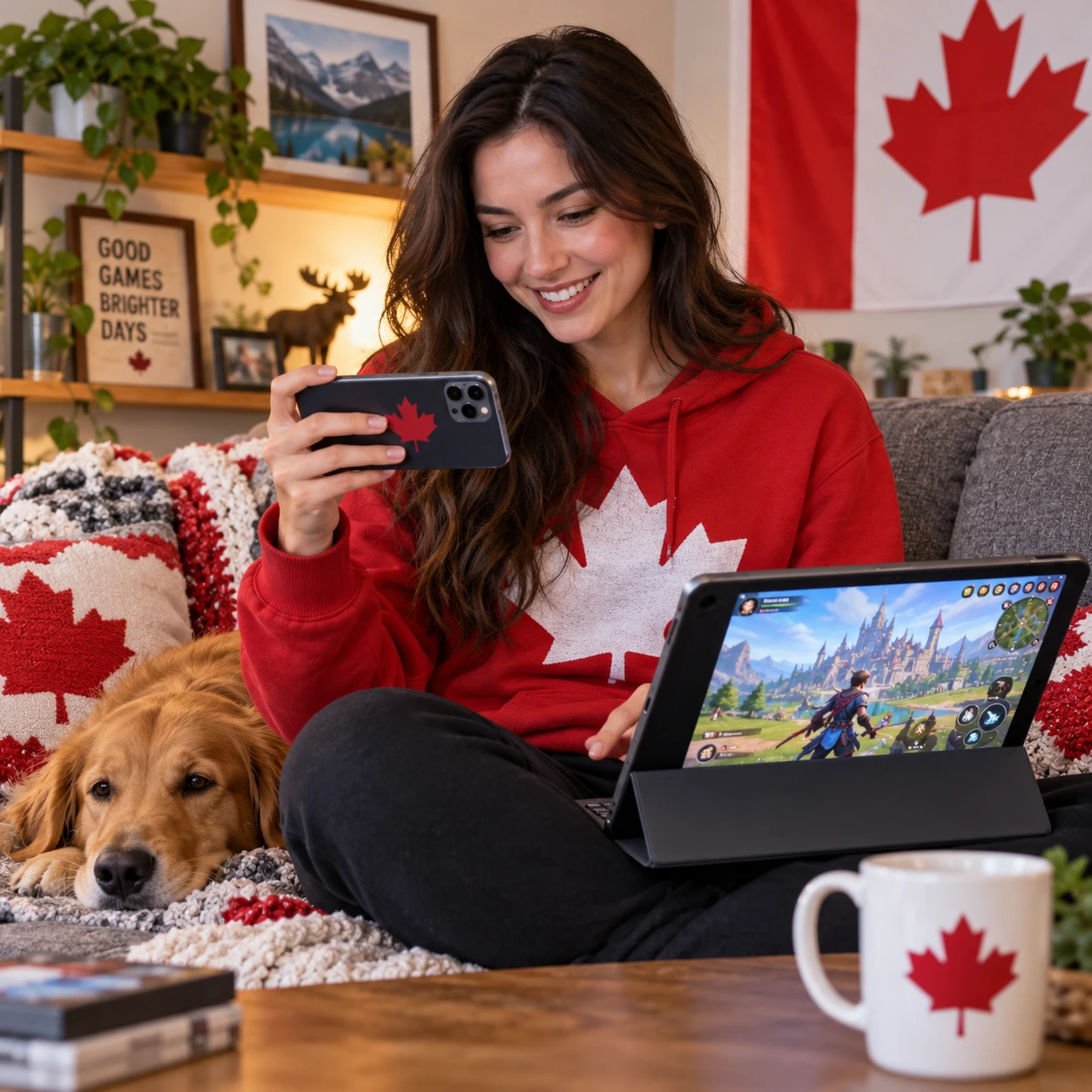
As I've watched the digital gaming landscape evolve across Canada over the past few years, the transformation has been nothing short of remarkable. What was once a fragmented, largely unregulated space has matured into a sophisticated ecosystem that's attracting the attention of millions of Canadians and generating billions in economic activity. In 2026, I'm seeing more Canadians than ever before exploring digital gaming platforms, and the options available have never been more diverse or accessible.
The numbers tell a compelling story. The Canadian digital gaming market has surged past the $4 billion mark, and recent surveys indicate that approximately 67% of Canadians now engage with gaming platforms in some capacity. This isn't just about desktop computers anymore—the entire experience has shifted to accommodate our increasingly mobile lifestyles, and the regulatory framework, particularly in provinces like Ontario, has begun catching up with consumer demand.
The Evolution of Digital Gaming Platforms in Canada
When I reflect on how we got here, the changes become even more striking. Just a few years ago, accessing digital gaming platforms meant sitting at a desktop computer, navigating clunky interfaces, and dealing with limited payment options. Today, the landscape is fundamentally different. Mobile accessibility has become the standard rather than the exception, with platforms investing heavily in responsive design and dedicated applications that deliver seamless experiences across devices.
The regulatory shift, particularly Ontario's groundbreaking framework that launched in 2022 and has since matured, has created a legitimate, regulated market that protects consumers while generating substantial tax revenue. Other provinces are watching closely, and I expect we'll see more jurisdictions following Ontario's lead in the coming years. This regulatory clarity has encouraged major international operators to establish Canadian presences, bringing with them sophisticated platforms and substantial marketing budgets.
What's particularly interesting is how quickly Canadians have adapted to multi-device experiences. I regularly switch between my smartphone during my morning commute, my tablet in the evening, and occasionally my laptop when I want a larger screen. The platforms that succeed in 2026 are those that recognize this behavior and deliver consistent, synchronized experiences regardless of which device I'm using.
Understanding Your Platform Options: What's Available to Canadian Players
Navigating the options available to Canadian players in 2026 requires understanding a landscape that's more complex than it first appears. The digital gaming ecosystem now includes several distinct categories, each with its own characteristics, advantages, and legal considerations.
Provincially regulated platforms, like those operating under Ontario's framework, offer the highest level of consumer protection and regulatory oversight. These platforms must meet stringent requirements around game fairness, responsible gaming tools, and financial security. Then there are cloud gaming services, which have exploded in popularity, allowing players to stream high-quality gaming experiences without requiring powerful hardware. Mobile gaming apps represent another massive category, ranging from casual puzzle games to sophisticated multiplayer experiences.
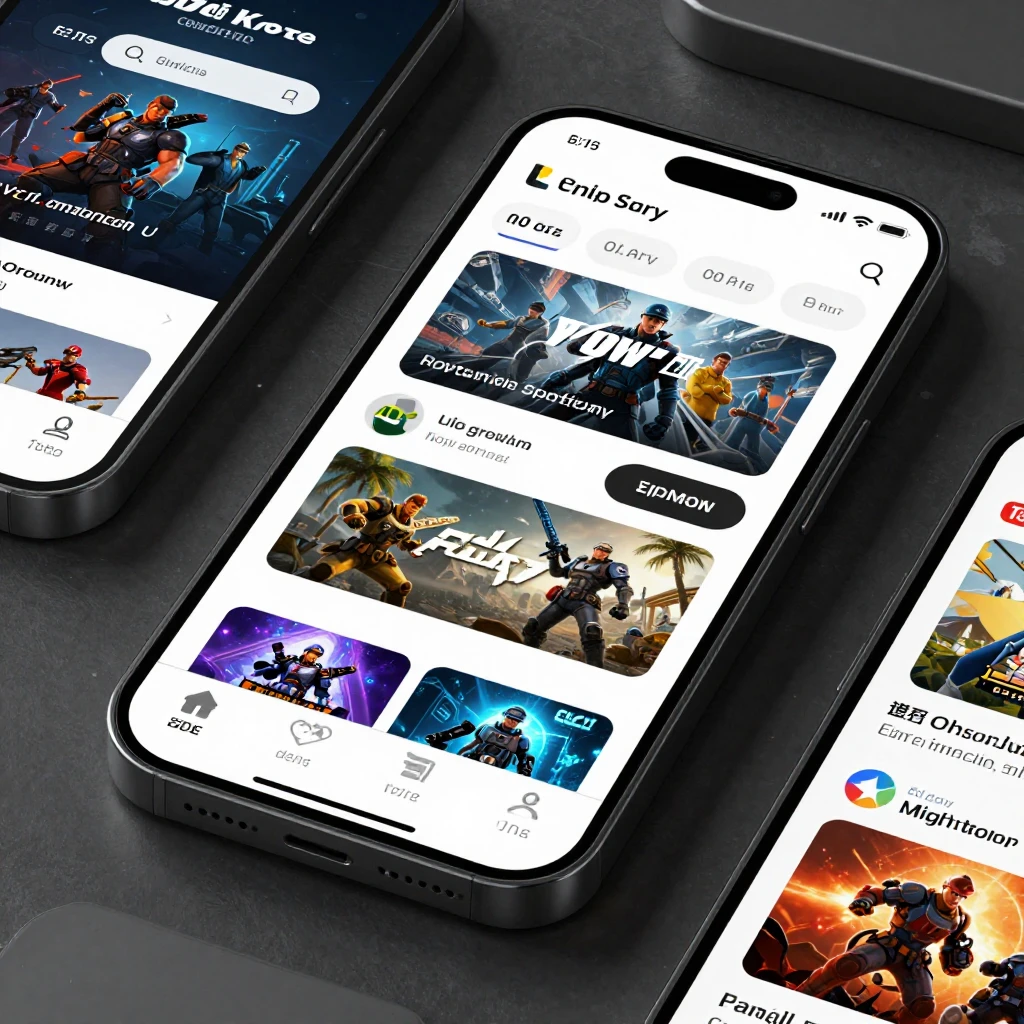
Finally, there are offshore alternatives—international platforms that accept Canadian players but operate under licenses from jurisdictions like Malta, Curacao, or Gibraltar. This is where the landscape becomes more nuanced, as these platforms exist in varying shades of regulatory grey area depending on your province of residence.
Provincially Regulated vs. Offshore Platforms
In my experience, the choice between provincially regulated and offshore platforms comes down to individual priorities and provincial location. If you're in Ontario, the regulated market offers peace of mind through government oversight, guaranteed payment processing, and recourse mechanisms if disputes arise. The platforms are vetted, the games are tested for fairness, and your funds are protected through segregated accounts.
Offshore platforms, meanwhile, often offer different advantages: wider game selections, more generous bonus structures, and sometimes more innovative features because they're operating in competitive international markets. However, they come with considerations around legal ambiguity in most Canadian provinces (Ontario being the exception where only licensed operators can legally offer services), potentially slower payment processing, and less regulatory protection if something goes wrong.
I always recommend that Canadians carefully evaluate their comfort level with these tradeoffs. Some prefer staying within regulated frameworks, while others are willing to explore international options for specific features or game selections not available domestically.
Emerging Payment Technologies and Cryptocurrency Integration
One of the most significant developments I've observed in 2026 is the evolution of payment technologies within digital gaming platforms. Traditional methods like credit cards and Interac e-Transfer remain popular, but we're seeing rapid adoption of digital wallets, instant banking solutions, and increasingly, cryptocurrency options.
Cryptocurrency integration has moved from niche curiosity to mainstream payment method on many platforms, offering Canadians advantages like enhanced privacy, faster withdrawal times, and lower transaction fees. For those exploring alternative payment methods and platforms that have fully integrated cryptocurrency options, you can learn more about here. This represents a growing segment of the digital entertainment market, though it's important to note these platforms typically operate in legal grey areas and require careful consideration of the associated risks and benefits.
What I find particularly interesting is how payment innovation has addressed one of the historical pain points of digital gaming: withdrawal speeds. While traditional banking methods might take 3-5 business days, cryptocurrency withdrawals can often be processed within hours, and some platforms using instant banking solutions are delivering same-day payouts even with traditional currency.
Key Features That Define Quality Gaming Experiences in 2026
After exploring dozens of platforms, I've identified several non-negotiable features that separate exceptional gaming experiences from mediocre ones. Mobile optimization sits at the top of my list—if a platform doesn't deliver a flawless smartphone experience in 2026, it's simply not competitive. This means responsive design that adapts to different screen sizes, touch-optimized controls, and efficient code that doesn't drain battery or consume excessive data.
Security measures have become increasingly sophisticated, with two-factor authentication now standard and leading platforms implementing biometric login options. I always look for platforms that use SSL encryption, maintain proper licensing, and undergo regular third-party audits of their game fairness and security protocols.
Withdrawal speeds matter enormously. I've experienced the frustration of waiting weeks for payouts on subpar platforms, while quality operators consistently process requests within 24-48 hours. Game selection is another critical factor—the best platforms offer thousands of titles across multiple categories, regularly updated with new releases.
Customer support has also evolved dramatically. The platforms I recommend offer 24/7 support with representatives available during Canadian time zones, ideally with live chat options that connect you to real humans within minutes rather than automated bots that can't address complex issues.
Security and Privacy Considerations
Given the financial nature of digital gaming, security and privacy deserve special attention. I always verify several key indicators before trusting a platform with my personal information and funds. First, licensing transparency—legitimate platforms prominently display their licensing information and make it easy to verify with the issuing authority.
Data protection policies should be clearly articulated and comply with international standards. I look for platforms that specify how they encrypt data, where information is stored, and who has access to it. Privacy policies should explicitly state that personal information won't be sold to third parties.
Canadians should also verify payment security by checking for PCI DSS compliance, which ensures that credit card information is handled according to strict industry standards. I recommend using payment methods that offer an additional layer of protection, such as digital wallets or cryptocurrency, which don't require sharing banking details directly with gaming platforms.
Mobile-First Gaming: How Canadians Are Playing On the Go
The shift to mobile-first gaming represents perhaps the most significant behavioral change I've witnessed in recent years. Statistics show that over 70% of Canadian gaming platform users now access services primarily through smartphones and tablets, with desktop usage relegated to secondary status or specific situations requiring larger screens.
This mobile dominance makes sense when I consider my own habits. I play during my commute on Toronto's transit system, during lunch breaks, while waiting for appointments, and relaxing in the evening on my couch. The smartphone has become the primary gateway to digital entertainment, and platforms have responded by developing native apps that often deliver superior experiences to browser-based access.
Cross-device functionality has become essential. The platforms I favor allow me to start a gaming session on my phone, pause it, and seamlessly continue on my tablet or laptop without losing progress. Cloud saving and account synchronization happen automatically in the background, creating a unified experience across all my devices.
Data usage is a practical consideration for mobile gaming, particularly for Canadians without unlimited data plans. I've learned to monitor consumption and appreciate platforms that offer settings to reduce data usage, such as lowering graphic quality or preloading content over WiFi. Most modern platforms are remarkably efficient, with an hour of gaming typically consuming 50-150MB depending on the complexity of the games.
Navigating Bonuses, Promotions, and Fair Play Standards
The promotional landscape in 2026 is more competitive and complex than ever. Nearly every platform offers some form of welcome bonus, and I've learned that understanding the fine print is crucial to making these offers work in your favor rather than becoming frustrated by unexpected restrictions.
Welcome bonuses typically match your initial deposit by a certain percentage, sometimes offering additional perks like free spins or bonus credits. However, these bonuses come with wagering requirements—you'll need to play through the bonus amount a specified number of times before withdrawing. I've seen requirements ranging from 20x to 50x, and I generally avoid anything above 35x as unrealistic for casual players.
Currency considerations matter significantly for Canadians. Some platforms operate primarily in USD, which means you'll pay conversion fees on deposits and withdrawals. Others offer native CAD support, eliminating this friction. Cryptocurrency options bypass currency conversion entirely while offering their own unique considerations around volatility.
Region-specific promotions tailored to Canadian players have become more common as platforms recognize our market's importance. I regularly see promotions tied to Canadian sporting events, holidays, and even weather events. The key is reading terms carefully, understanding time limits, game restrictions, and maximum withdrawal caps that might apply to bonus winnings.
Responsible Gaming and Setting Limits
As much as I enjoy exploring digital gaming platforms, I'm acutely aware that responsible gaming practices are essential for maintaining a healthy relationship with this form of entertainment. The best platforms in 2026 don't just offer responsible gaming tools—they actively promote them and make them easily accessible.
Deposit limits allow you to set daily, weekly, or monthly caps on how much money you can add to your account. I always set these limits based on my entertainment budget before I start playing, treating it as money I'm willing to spend on leisure, similar to going to movies or dining out. Time restrictions are equally valuable, allowing you to limit session lengths or set reminders about how long you've been playing.
Self-exclusion programs have become more sophisticated, with options ranging from 24-hour cooling-off periods to permanent exclusions. Ontario's regulatory framework includes a centralized self-exclusion registry that blocks access across all licensed operators, which I consider a gold standard that other provinces should adopt.
Canadian organizations like the Responsible Gambling Council offer excellent resources, including helplines, counseling services, and educational materials. I believe that any quality platform, regardless of where it's licensed, should provide prominent links to these resources and demonstrate a genuine commitment to player welfare beyond mere regulatory compliance.
The Future of Digital Gaming in Canada: What to Expect Beyond 2026
Looking ahead, I'm excited about where the Canadian digital gaming landscape is heading. Cloud gaming technology is projected to grow at a compound annual growth rate of 30.2% over the next several years, which will further reduce hardware barriers and enable more Canadians to access premium gaming experiences regardless of their device capabilities.
Regulatory expansion seems inevitable. Ontario's success has demonstrated that regulated markets can thrive while protecting consumers and generating tax revenue. I expect provinces like British Columbia, Quebec, and Alberta will seriously consider similar frameworks, potentially creating a more unified national approach by 2028-2029.
Virtual reality and augmented reality integration is moving from experimental to practical. I've already tested several VR gaming experiences that feel remarkably immersive, and as headset prices decline and content libraries expand, I expect mainstream adoption within the next 2-3 years. Imagine sitting at a virtual poker table with players from across Canada, reading body language and experiencing the social dynamics of live play from your living room.
Artificial intelligence is personalizing gaming experiences in ways that were science fiction just a few years ago. Platforms now analyze playing patterns to recommend games I'm likely to enjoy, adjust difficulty levels dynamically, and even detect problematic gaming behaviors that might require intervention. This AI-driven personalization will only become more sophisticated, creating experiences tailored to individual preferences while maintaining fairness and transparency.
My advice for Canadians navigating this evolving landscape is to stay informed and adaptable. Follow regulatory developments in your province, as legal frameworks will continue shifting. Prioritize platforms that demonstrate commitment to security, fairness, and responsible gaming regardless of where they're licensed. And most importantly, approach digital gaming as entertainment—set limits, understand the odds, and never risk more than you can afford to lose.
The digital gaming platforms available to Canadians in 2026 offer unprecedented variety, accessibility, and sophistication. Whether you prefer provincially regulated options, international platforms, mobile gaming apps, or emerging technologies like cryptocurrency-based platforms, the key is making informed choices that align with your preferences, risk tolerance, and entertainment goals. The future is bright, the options are abundant, and Canadian players have never been better positioned to enjoy high-quality digital gaming experiences.